Building Research and Student Communities
Dr. Stephen MacNeil believes that meaningful social impact requires strong communities. The problems his lab works on, from AI in education to accessibility and human-centered design, cannot be addressed by a single person. They require spaces where students, researchers, educators, and local partners can learn from one another, share responsibility, and build trust over time.
That same philosophy shapes how he teaches and mentors. Learning extends well beyond the classroom, and Dr. MacNeil has invested heavily in informal learning spaces where students can grow through research, leadership, collaboration, and community care. Through the Temple HCI Lab, OwlHacks, and student organizations across campus, he works to create environments where students can find belonging, develop confidence, and contribute meaningfully to large projects. The Temple HCI lab serves as a hub for undergraduate CS students at Temple.
Director, Temple HCI Lab
Dr. Stephen MacNeil is the director of the Temple Human-Computer Interaction (HCI) Lab. With over 50 active members, it is one of the largest undergraduate research labs at Temple University. The lab brings together students from computer science, psychology, education, and design to study how people learn, collaborate, and make decisions with technology. For many students, the lab is also an informal community of practice where they learn how to conduct research, mentor others, and communicate their work.
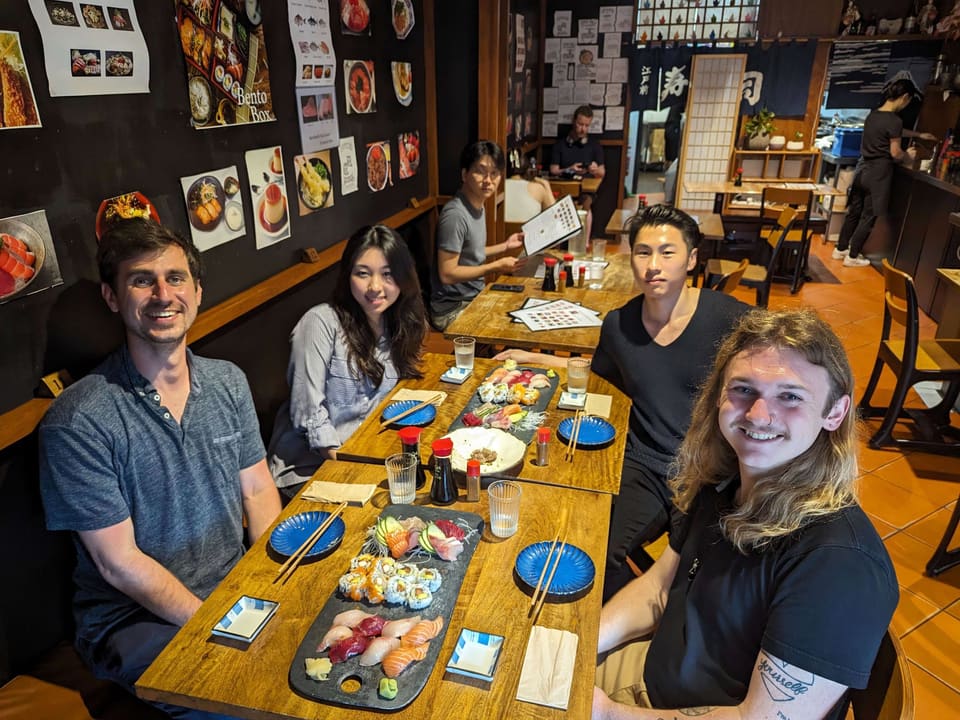
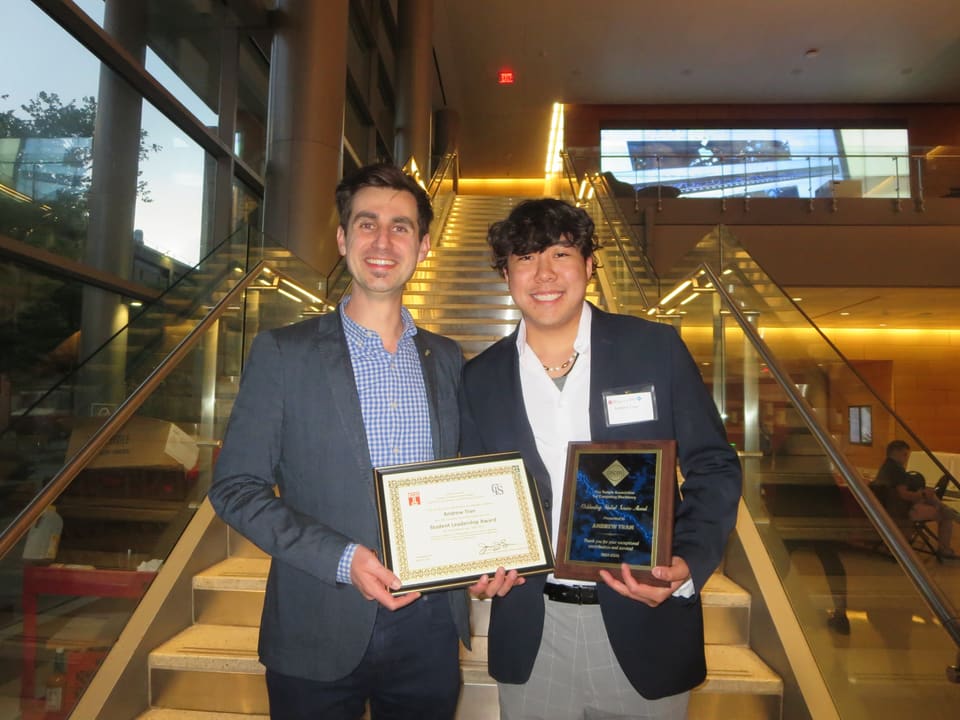
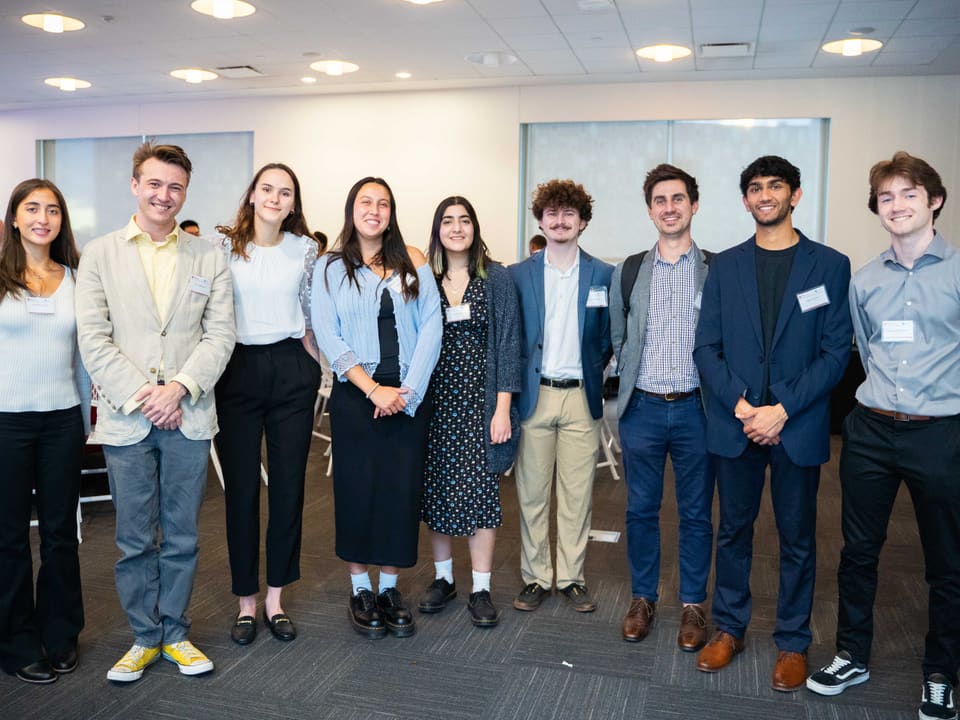
Over 50 active students currently call the Temple HCI Lab their workplace, with 100 additional alumni who have gone on to pursue graduate studies or careers in tech. Many of the students who help lead Temple's research and technology communities, including past presidents of TUDev, ACM, and ACM-W, have been members of the lab.
Learn more about the HCI Lab.
Director, OwlHacks Hackathon
Since 2021, Dr. MacNeil has served as Faculty Director of the OwlHacks Hackathon at Temple University and has now hosted the event five times. Under his leadership, OwlHacks has grown into one of the largest hackathons in the Philadelphia region, welcoming more than 1,000 students across hackathons and related community events.
More than a single weekend event, OwlHacks has become a community hub for computing at Temple. It brings together first-time hackers, experienced student leaders, researchers, mentors, and campus partners in a shared space for learning, creativity, and belonging. The event includes multiple challenge tracks, emphasizes accessibility and care, and puts particular focus on making the experience welcoming for students who are new to hackathons.
Each year, roughly 20 to 30 student organizers work together to plan OwlHacks, making it an important leadership pathway within the Temple CS community. Many students move between OwlHacks, the Temple HCI Lab, and organizations like ACM, ACM-W, and TUDev, strengthening the broader ecosystem of computing on campus.
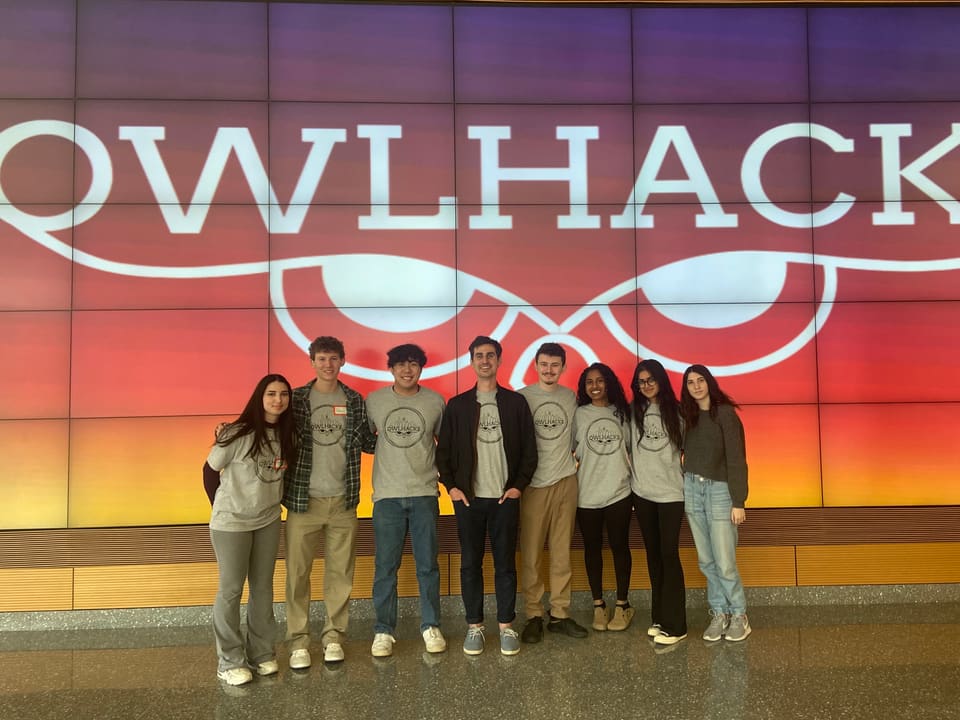
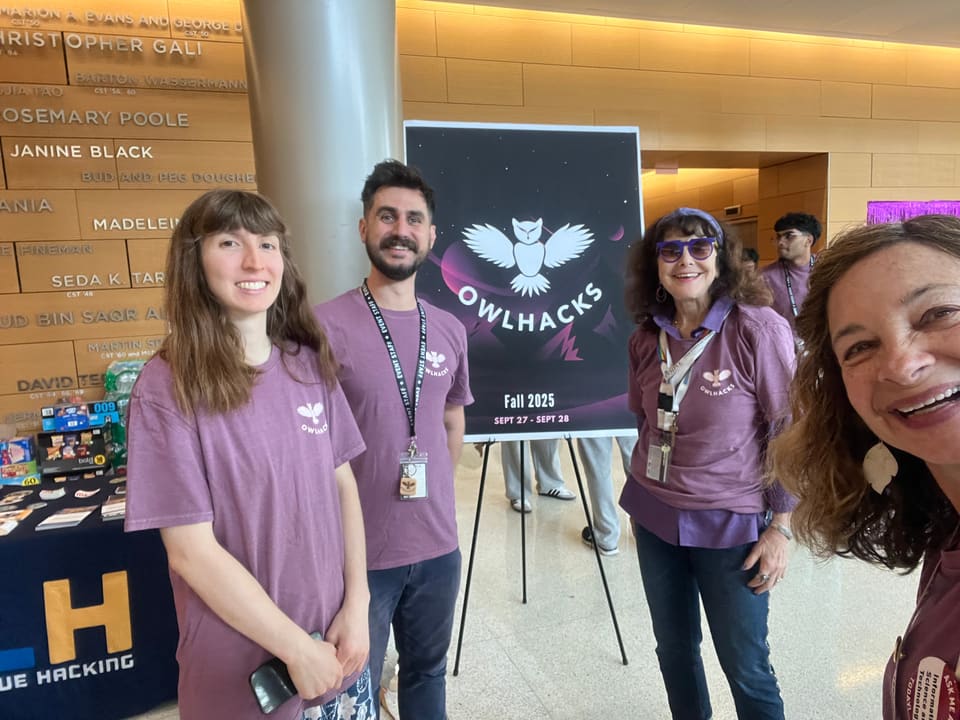
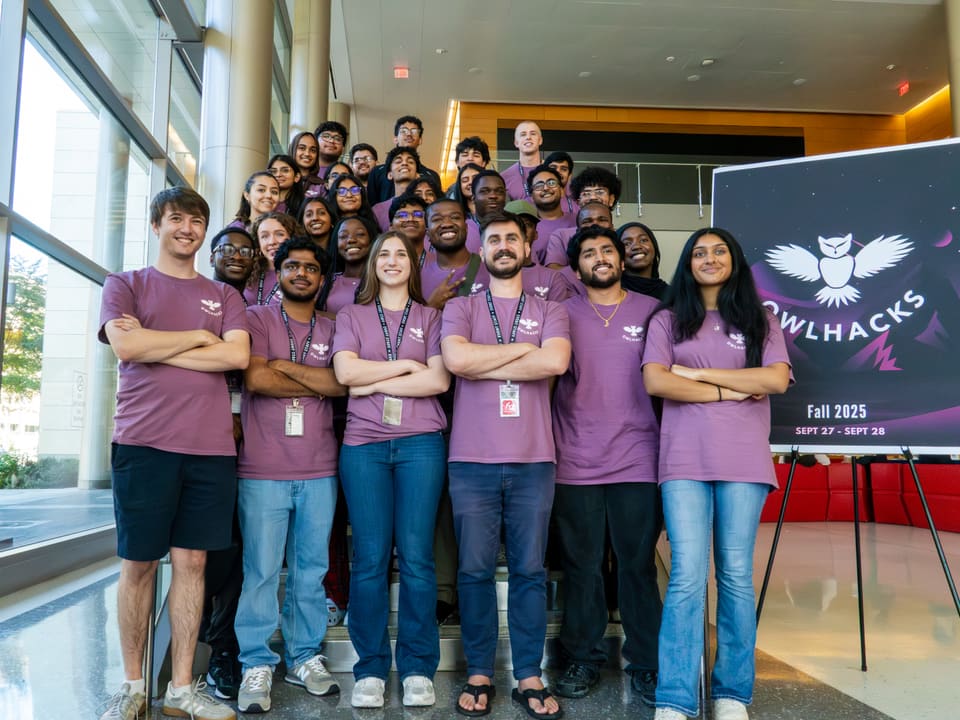
OwlHacks Hackathon
OwlHacks was offered once before the pandemic, but it did not survive the shift to online programming. The Temple HCI Lab helped revive the event and turn it into a recurring community experience centered on student leadership, creativity, and mutual support. Today, OwlHacks is not just a hackathon weekend. It is a space where students experiment with new ideas, build confidence, and enter the broader Temple technology community.
These broader impacts have of organizing OwlHacks have been documented in a publication at SIGCSE 2025. The event has also been featured by Temple Now and The Templar Yearbook.
Several former OwlHacks leaders have gone on to receive campus and national recognition, including ACM student leadership or service awards earned by Kush Patel, Andrew Tran, Yatri Patel, and Egi Rama.
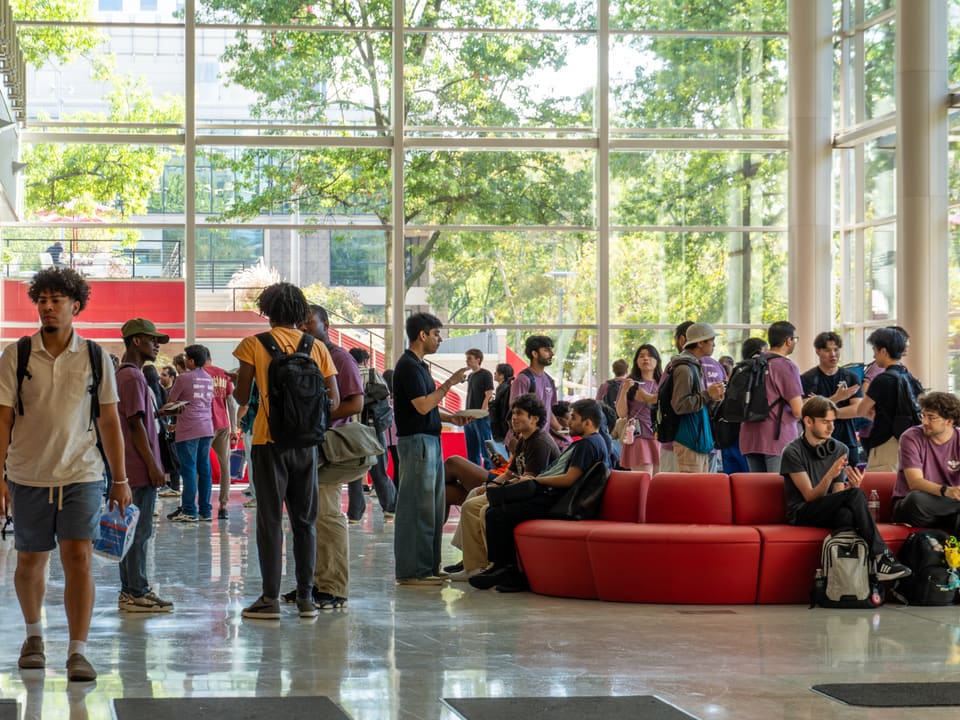
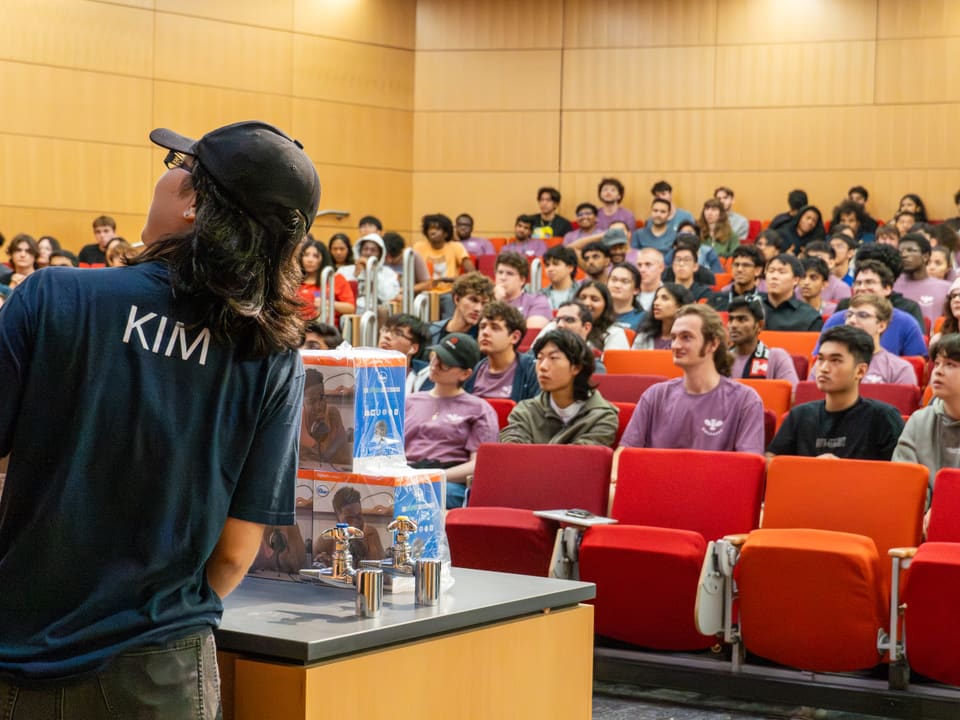
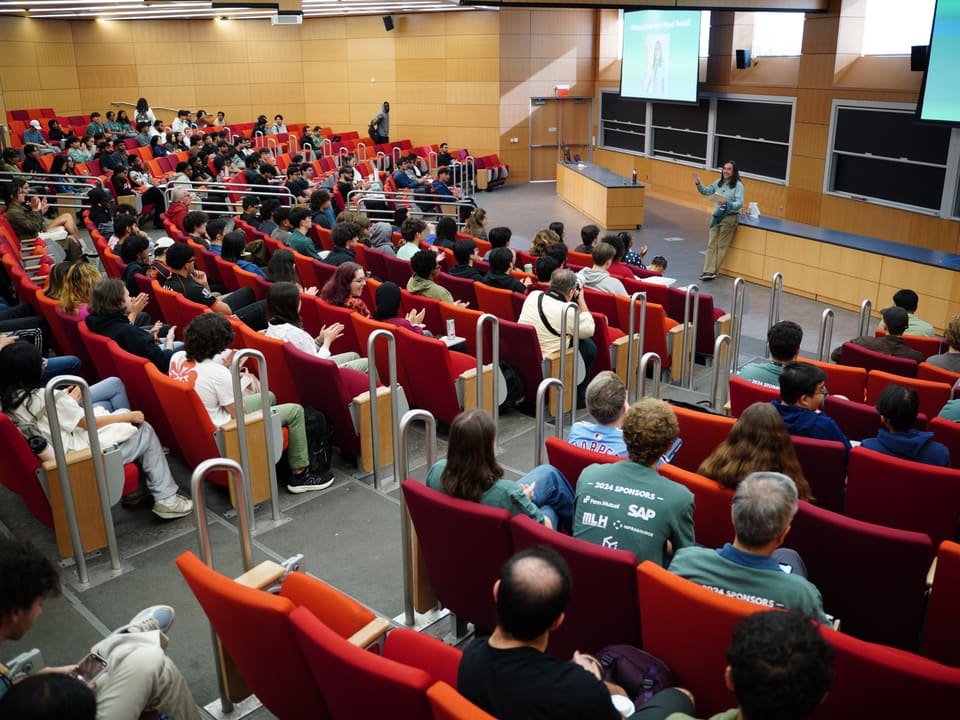
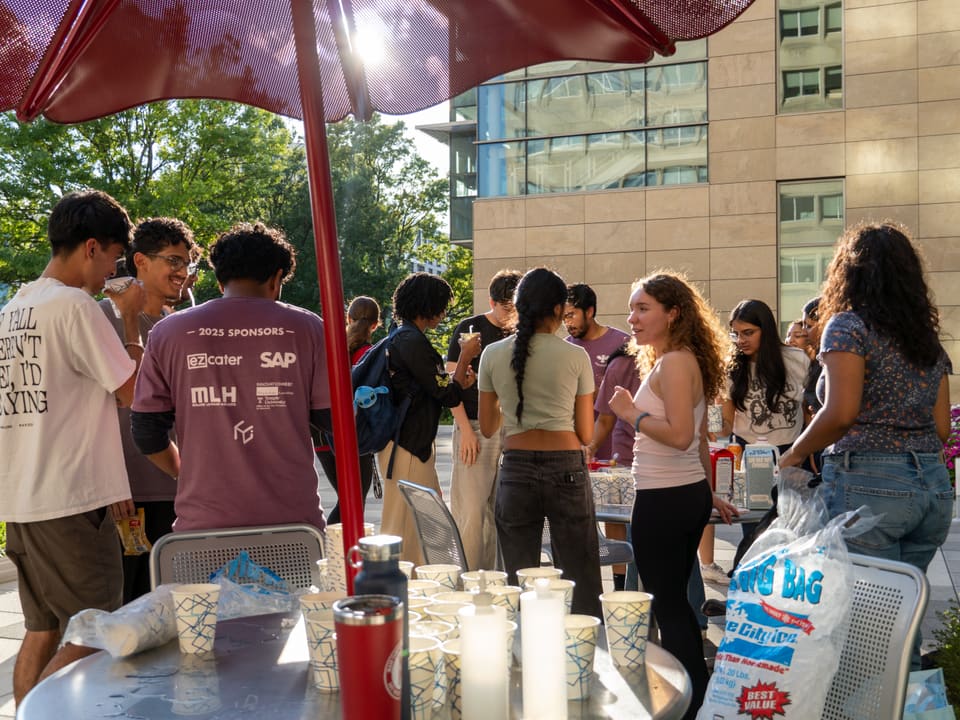
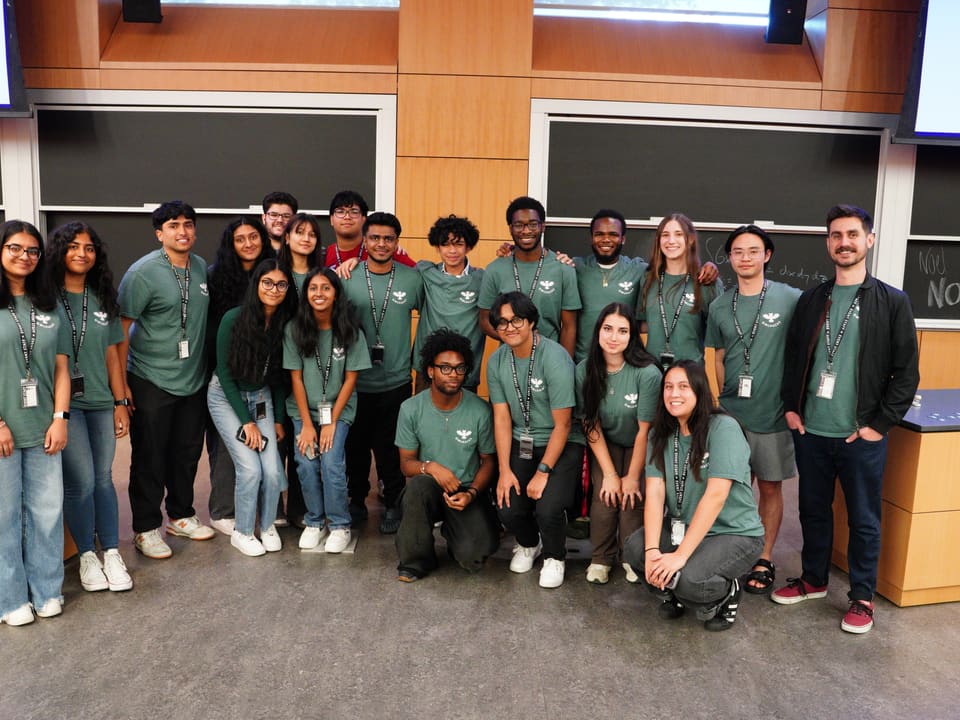
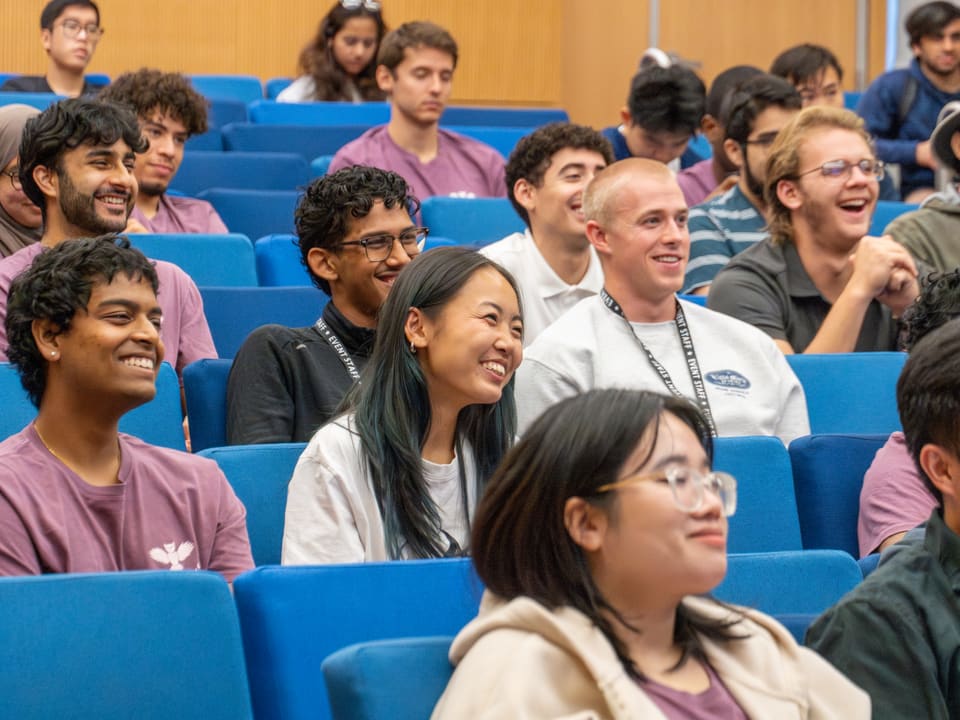
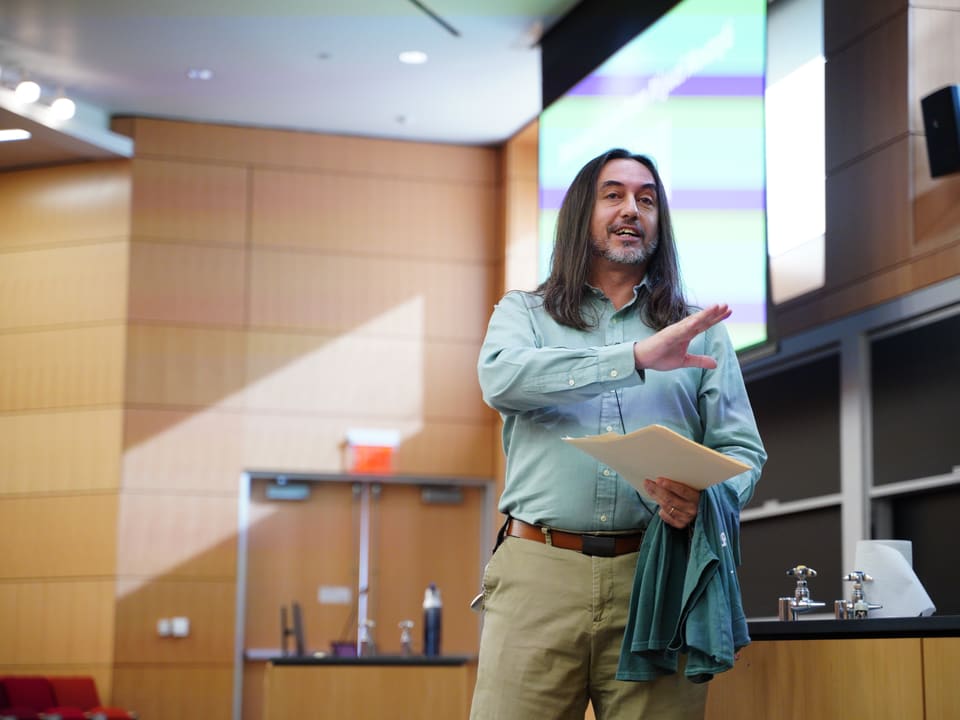
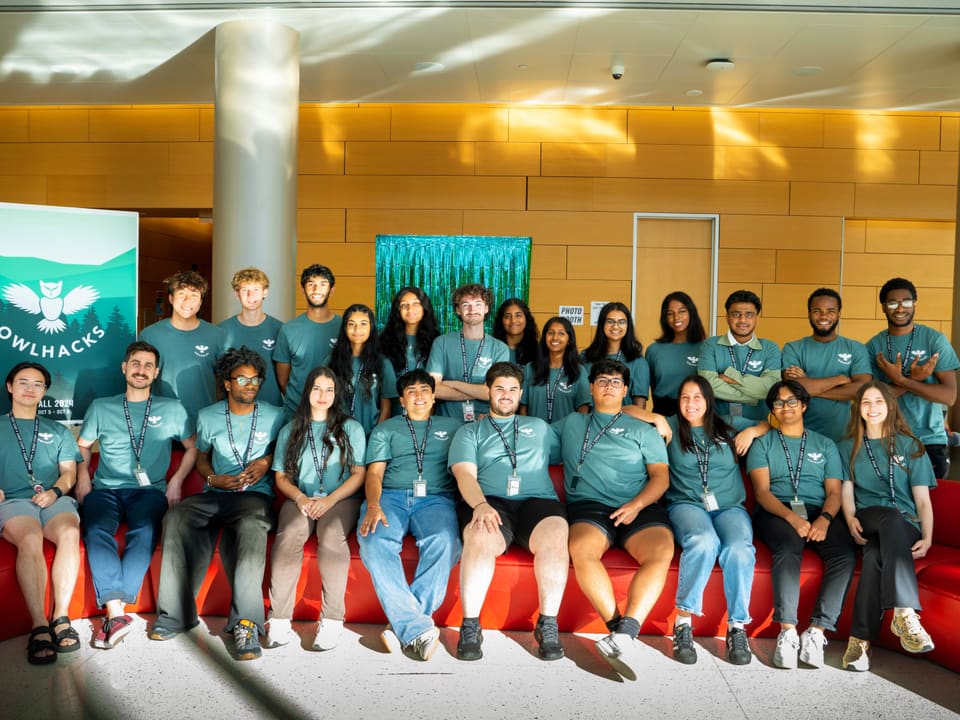
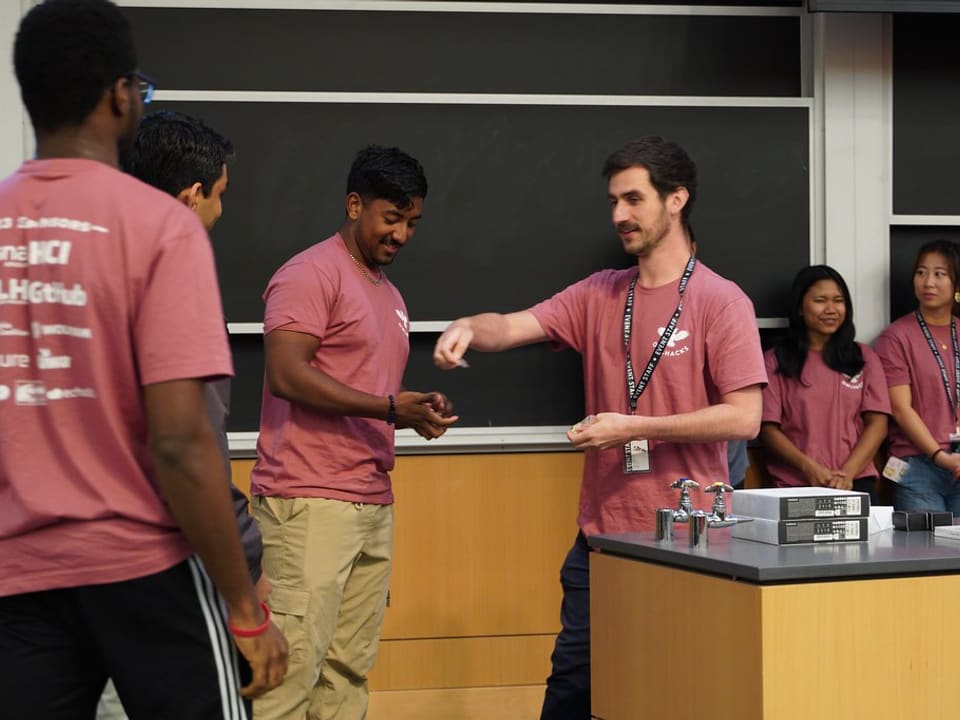
Check out more of our OwlHacks Photos or follow our event on the OwlHacks Instagram.
Student Organizations and Leadership Pathways
Dr. MacNeil's community work at Temple extends beyond research and hackathons. He has supported student leaders across TUDev, ACM, and ACM-W, helping create informal spaces where students can organize events, mentor peers, and shape the culture of computing on campus.
The overlap between these communities is intentional. Many of the students who have served as presidents or leaders in TUDev, ACM, and ACM-W have also been members of the Temple HCI Lab. That shared ecosystem helps students move between research, service, technical projects, and public leadership rather than treating them as separate worlds.
Research Leadership
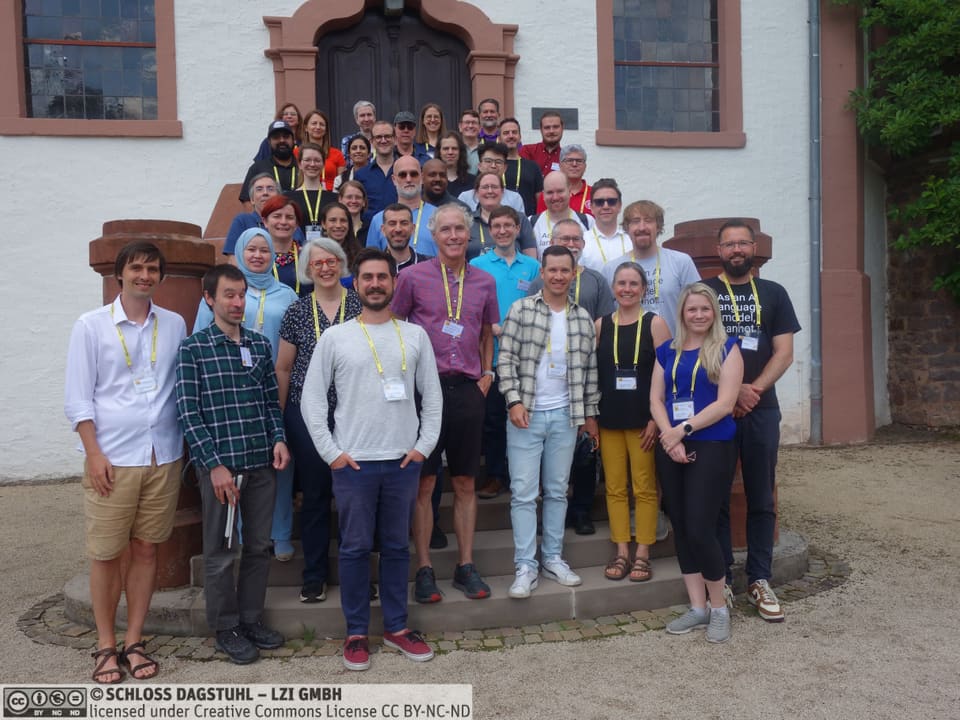
Dr. MacNeil has also contributed to broader research and education communities beyond Temple. He has participated in multiple Dagstuhl Seminars, including a second seminar series in 2025, as well as ITiCSE Working Groups, and has led workshops and birds-of-a-feather sessions at SIGCSE. Through these experiences, he exchanges ideas with other leaders and helps shape conversations about computing education, human-computer interaction, and community-centered design.